

Disclaimer: This website shares legal information for educational purposes only and does not constitute legal advice. Please consult a licensed attorney for advice specific to your situation.
Facing criminal charges can create uncertainty about what happens next, what rights apply, and how a legal case could affect your future. An arrest or criminal investigation can bring serious concerns about employment, family responsibilities, finances, and personal freedom. Even when someone believes an accusation is based on a misunderstanding, the legal process can move forward until the matter is resolved. Understanding how criminal cases work and what options are available can help individuals make informed decisions during a difficult period.
Legal concerns can also extend beyond criminal proceedings. For example, a person involved in a DUI accident could face criminal allegations while also dealing with injuries and insurance issues. These matters follow different legal processes, and each requires attention to the rights and responsibilities involved. Understanding the distinctions between criminal defense and personal injury matters can help individuals identify the appropriate legal options.
Understanding the Different Types of Criminal Charges

Criminal charges cover a broad range of alleged conduct, and the potential penalties depend on the offense and applicable laws. Common categories include misdemeanors, felonies, traffic offenses, property crimes, drug-related offenses, and violent crimes. Each category has different legal requirements, procedures, and possible consequences. The classification of an offense can also influence whether a case is handled in a state or federal court.
Misdemeanors are generally considered less serious offenses than felonies, although a conviction can still result in fines, probation, or incarceration. Felonies typically carry more substantial potential penalties and can affect a person’s rights and opportunities after a case ends. Certain offenses may also involve mandatory sentencing provisions, enhanced penalties, or additional consequences based on prior convictions.
A criminal law attorney can help someone understand the allegations, identify the applicable laws, and review the potential consequences of a conviction. This review may include examining the charging documents, considering whether the prosecution has sufficient evidence, and identifying possible defenses. Legal guidance can also help individuals understand court requirements and avoid actions that could complicate their cases.
Not every criminal case follows the same path. Some matters are resolved through negotiated agreements, while others proceed to hearings or trial. The appropriate approach depends on the evidence, legal issues, circumstances of the alleged offense, and the individual’s objectives.
Knowing When to Seek Legal Representation
Obtaining legal guidance early can help individuals understand their rights and responsibilities during a criminal investigation or prosecution. A person does not necessarily need to wait until formal charges are filed to seek advice. Contact with law enforcement, a search of personal property, or questions about suspected criminal activity can create situations in which legal guidance is important.
Attorneys can explain how criminal procedures work and help individuals understand what to expect during different stages of a case. For example, someone who has been contacted by investigators may have questions about whether to participate in an interview, provide information, or consent to a search. Legal advice can help clarify the potential consequences of these decisions.
Individuals should also consider seeking representation when they receive a summons, learn that a warrant has been issued, or are formally charged with an offense. Missing court dates or failing to follow release conditions can create additional legal problems. A legal representative can explain scheduling requirements, filing deadlines, and other obligations associated with the case.
The timing of legal involvement can influence the opportunities available for reviewing evidence and addressing procedural issues. Early representation may allow a legal professional to communicate with prosecutors, request relevant records, and identify potential concerns before the case advances. Individuals should provide accurate information about their circumstances so their legal representative can evaluate the matter effectively.
Exploring Your Options After an Arrest
An arrest can be stressful, particularly for someone unfamiliar with the criminal justice system. After an arrest, individuals are generally informed of the allegations and may be taken into custody for booking. Depending on the circumstances and jurisdiction, the next steps can include an initial court appearance, a decision about release, and scheduling for future proceedings.
A criminal defense lawyer can explain the charges and review the circumstances surrounding the arrest. This may involve examining police reports, witness statements, available recordings, and other records related to the incident. The lawyer can also evaluate whether law enforcement followed applicable procedures during the investigation and arrest.
Release conditions are another important consideration. Depending on the case, a court may impose bail, require compliance with specific restrictions, or release the individual under certain conditions. These requirements can involve travel restrictions, limits on contact with particular individuals, or other obligations. Failing to follow court-ordered conditions can lead to additional consequences.
Individuals should avoid discussing the details of an open case on social media or with people who are not involved in their legal representation. Statements made publicly or shared with others could become relevant evidence. Keeping documents, preserving communications, and following legal instructions can help prevent unnecessary complications while the case is pending.
Preparing a Defense Against Criminal Allegations

Preparing a criminal defense involves reviewing the available evidence and identifying legal and factual issues that could affect the prosecution’s case. The defense process is not limited to disputing whether an alleged event occurred. It can also involve examining how evidence was collected, whether statements were obtained lawfully, and whether the prosecution can establish the required elements of the offense.
Criminal defense attorneys may examine police reports, photographs, surveillance footage, digital records, physical evidence, and witness accounts. They can compare these materials with the allegations and identify inconsistencies or missing information. In some cases, expert analysis may help clarify technical evidence or challenge conclusions presented by the prosecution.
Potential defense strategies depend on the facts and applicable law. A defense may involve challenging the identification of a suspect, disputing the accuracy of evidence, questioning the reliability of witness statements, or arguing that law enforcement violated constitutional protections. Other cases may involve demonstrating that the accused lacked the intent required for a particular offense or acted under circumstances recognized as a legal defense.
The prosecution generally has the burden of proving the defendant’s guilt beyond a reasonable doubt in a criminal trial. The defense does not have to prove innocence. However, individuals should understand that the available strategies and likely outcomes depend on the specific evidence and legal issues involved. A thorough review can help determine whether negotiating a resolution, filing motions, or proceeding to trial is appropriate.
Addressing the Legal Consequences of DUI Accidents
Driving under the influence can lead to serious legal and financial consequences, particularly when an accident results in property damage or injuries. A DUI-related incident may involve criminal charges, traffic violations, insurance disputes, and potential civil claims. These matters can proceed separately, even when they arise from the same event.
A person accused of impaired driving may face penalties that include fines, license suspension, probation, mandatory education programs, or incarceration. The consequences depend on the jurisdiction, the circumstances of the incident, and factors such as prior offenses or whether someone was injured. Additional penalties may apply when an accident involves serious bodily injury or death.
A DUI accident lawyer may help an injured person understand potential claims involving an impaired driver. This type of legal matter is different from defending someone accused of DUI. An injured person may need to consider medical expenses, lost income, property damage, and other losses connected to the collision. The available options depend on the evidence of fault, applicable insurance coverage, and state law.
It is important to distinguish between criminal defense and civil injury claims. A criminal case determines whether the accused violated criminal law, while a civil claim addresses financial responsibility for harm. The outcome of one proceeding does not automatically resolve every issue in the other. Individuals involved in DUI accidents should understand which legal matters apply to their circumstances.
Understanding the Legal Process After a DUI Arrest
A DUI arrest can initiate several legal procedures that affect a person’s driving privileges and criminal record. After an arrest, an individual may need to attend court hearings and address administrative requirements involving their driver’s license. The specific process varies by state, including the deadlines for requesting certain hearings and the procedures for challenging a license suspension.
A DUI attorney can review the circumstances of the traffic stop, arrest, and chemical testing. Relevant questions may include whether the officer had a lawful basis for the stop, whether testing procedures followed applicable requirements, and whether the results are reliable. The attorney may also examine video recordings, police reports, and other evidence associated with the incident.
DUI cases can involve different forms of evidence, including observations made by officers, field sobriety test results, breath test readings, and blood test findings. Each type of evidence has limitations and must be evaluated in light of the applicable legal standards. A defense may challenge the collection, handling, or interpretation of evidence when legitimate legal grounds exist.
Individuals should pay close attention to court dates and administrative deadlines after an arrest. They should also understand any restrictions on driving or other conditions imposed during the case. Following these requirements and obtaining legal guidance can help individuals make informed decisions as the proceedings continue.
Responding to Drug-Related Criminal Charges
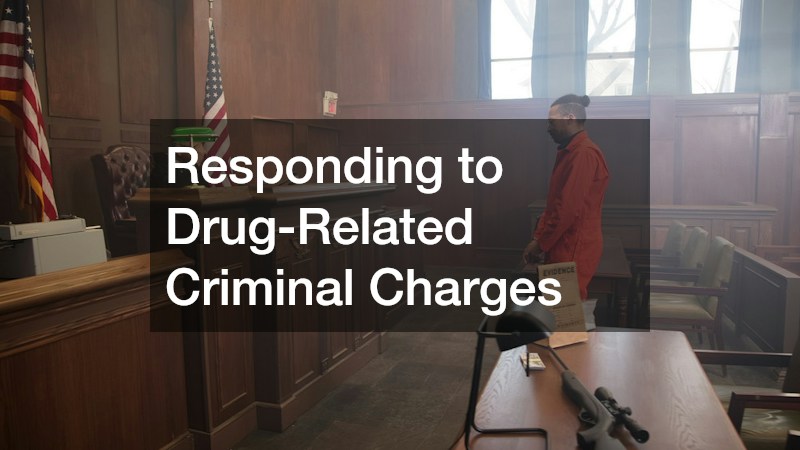
Drug-related criminal charges can involve allegations of possession, distribution, manufacturing, trafficking, or possession with intent to distribute. The severity of the charges depends on several factors, including the type and quantity of the substance, the alleged conduct, and whether the case involves state or federal law. Some offenses carry substantial penalties, particularly when aggravating circumstances are present.
A drug crimes attorney can review the evidence and determine whether the prosecution can establish the elements of the alleged offense. This may include examining how authorities discovered the substance, whether a search was legally authorized, and whether the evidence was properly collected and documented. Questions about ownership, possession, and intent can also become important in certain cases.
Drug investigations may involve searches of vehicles, residences, personal belongings, or electronic devices. Law enforcement generally must comply with constitutional protections and applicable search requirements. If a search or seizure violated legal protections, the defense may have grounds to challenge the use of resulting evidence.
The potential consequences of a drug conviction can extend beyond fines or incarceration. A criminal record may affect employment opportunities, housing applications, professional licensing, and educational plans. Understanding the charges and available legal options can help individuals evaluate the potential impact of a case and make informed decisions about their defense.
Understanding Your Rights After an Uninsured Motorist Accident
An accident involving an uninsured driver can create financial challenges for injured individuals. When the at-fault motorist does not have applicable auto insurance, recovering compensation may require exploring other sources of coverage. The available options depend on the injured person’s insurance policy, state requirements, and the circumstances of the collision.
Uninsured motorist claims allow eligible policyholders to seek compensation through their own insurance coverage after certain accidents involving drivers without insurance. Depending on the policy, coverage may help address medical expenses, lost wages, and other damages resulting from the collision. Some policies also include underinsured motorist coverage, which may apply when the at-fault driver’s insurance is insufficient to cover the injured person’s losses.
Policyholders should review their insurance documents to understand coverage limits, reporting requirements, exclusions, and filing deadlines. Insurance companies may request accident reports, medical records, photographs, repair estimates, and other documentation when evaluating a claim. Providing complete and accurate information can help support the review process.
An uninsured motorist claim is a civil insurance matter, not a criminal defense proceeding. Although an accident could involve separate criminal allegations, such as impaired driving, the insurance claim follows its own procedures. Individuals should understand these distinctions when considering their options after a collision.
Exploring Legal Options After a Serious Accident
Serious accidents can result in physical injuries, emotional strain, medical expenses, and disruptions to everyday life. Injured individuals may need to consider how the incident occurred, who may be legally responsible, and what insurance coverage could apply. The answers depend on the available evidence and the laws governing the accident.
A personal injury firm may assist individuals who have been harmed because of another party’s alleged negligence. These cases can involve vehicle collisions, unsafe property conditions, workplace-related incidents, or other circumstances in which someone else’s conduct contributed to an injury. The legal process generally focuses on establishing liability and documenting the losses connected to the incident.
Evidence is important when evaluating a potential personal injury claim. Relevant materials may include photographs, witness statements, police reports, medical records, and documentation of lost income. Depending on the circumstances, additional investigation or expert analysis may be necessary to understand how the accident occurred and how the injuries affect the individual.
Not every accident automatically creates grounds for a successful claim. An injured person generally needs to establish the applicable legal requirements, which often include showing that another party had a duty of care, breached that duty, and caused compensable harm. State laws concerning shared fault and filing deadlines can also affect the outcome.
Pursuing Compensation for Accident-Related Injuries

After an accident, injured individuals may face expenses and losses that continue long after the initial incident. Medical treatment, rehabilitation, time away from work, and changes in daily activities can create financial and personal challenges. Understanding the types of compensation that may be available can help individuals evaluate their legal options.
A personal injury lawyer can review the circumstances of an accident and assess whether another party may be legally responsible for the resulting harm. This evaluation may involve examining medical documentation, accident reports, insurance information, and evidence of lost income. The legal representative can also explain the claims process and discuss potential obstacles.
Depending on the case and applicable law, recoverable damages may include medical expenses, lost wages, reduced future earning capacity, property damage, and compensation for pain and suffering. The types of damages available vary by jurisdiction and the facts of the claim. Documentation is important because insurance companies and courts may require evidence supporting the losses being claimed.
Individuals should also be aware that personal injury claims are subject to deadlines. The time available to file a lawsuit depends on state law and may vary according to the parties involved and the type of claim. Delays can affect the availability of evidence and witnesses, so seeking legal guidance promptly can help individuals understand the steps involved.
Understanding criminal charges and available legal options can help individuals approach an uncertain situation with greater clarity. Criminal allegations can affect personal freedom, employment, finances, and future opportunities, making it important to understand the charges and the procedures involved. The circumstances of each case matter, and legal outcomes depend on the evidence, applicable laws, and decisions made throughout the process. Reviewing the available information and understanding individual rights can help people make informed choices when responding to an accusation.
Taking action early can be important when criminal charges or injury claims are involved. Individuals should preserve relevant records, pay attention to legal deadlines, follow court requirements, and avoid making decisions without understanding their potential consequences. A careful review of the facts can help clarify available options and the steps needed to move forward. Whether addressing a criminal allegation or seeking compensation after an accident, obtaining guidance from a legal professional familiar with the relevant area of law can help individuals understand their rights and responsibilities.